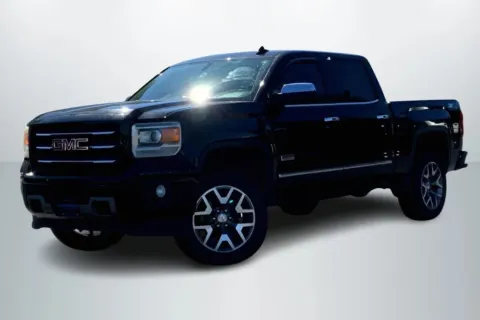
Choosing a Pre-Owned Ride with Confidence: An Owner’s Planning Guide
First, assess your driving needs with a calm, methodical lens. Daily commuting, family hauling, weekend towing, and winter traction all set guardrails for body style and drivetrain. Clarify your mileage tolerance, parking constraints, and insurance comfort. Capture these notes before stepping into any showroom to buffer impulse decisions. This short prework translates preferences into measurable criteria you can reuse when multiple options start blending together.
Next, scope a realistic budget that includes more than the sticker. Registration, taxes, potential tire replacement, and an initial fluid service add up. Align monthly affordability with a sensible down payment, and validate how an interest rate changes lifetime cost. If financing, request sample amortizations. Meanwhile, compare a slightly newer, lower-mile model against an older, feature-rich trim to see where long-term value actually lives.
Beyond that, stage your search by powertrain and maintenance history. Hybrids, turbocharged fours, and naturally aspirated sixes each carry distinct service rhythms. Verify timing-belt intervals, transmission fluid specifications, and common wear items for your target model years. Document any manufacturer service campaigns that still apply. In practice, a tidy record stack often signals careful ownership, but still test how the vehicle idles, shifts, and tracks on imperfect pavement.
However, don’t overlook inventory turnover dynamics at a used car dealership. Fast-moving segments like compact SUVs can disappear quickly, while niche wagons sit longer and allow for deeper comparisons. Inspect two or three candidates back-to-back to calibrate your expectations. Then, request a cold start, listen for accessory-belt chirps, and watch for warning lights on initial ignition. A short, mixed route helps surface brake pulsation or alignment drift.
After that, refine your trim and options priorities. Heated seats, advanced driver aids, and all-wheel drive can be nice-to-haves, but each adds complexity and potential future cost. Validate which safety tech is standard versus optional across model years. Meanwhile, test ergonomics: seat height, pedal placement, and visibility lines matter every mile. Small discomforts compound, so treat cockpit fit like you would a pair of work boots.
Then, analyze total ownership lifecycle. Insurance class, fuel type, and tire size quietly influence annual costs. Sequence maintenance milestones against your projected mileage to anticipate expenses. If you drive 20,000 miles a year, a 70,000-mile example may hit major services sooner. Conversely, a higher-mile, well-documented vehicle sometimes beats a lower-mile car with unknown gaps. Validate by cross-checking service stamps with dates and odometer readings.
Meanwhile, consider the dealership’s process and transparency. A car dealership that can explain inspection steps, recon choices, and parts sourcing helps you understand the baseline. Ask how they handle reconditioning thresholds for brakes, rubber, and fluids. Inspect panel gaps, paint match, and tire wear patterns to spot past repairs. If available, review a third-party history report, but still rely on your senses and an independent pre-purchase inspection.
Often, trade-in strategy influences the final math. Clean your vehicle, gather maintenance receipts, and photograph it in good light. Validate payoff details with your lender and bring both sets of keys. Appraisals improve when documentation is clear and the car presents well. If you’re undecided, buffer your decision by soliciting a second valuation elsewhere so you can benchmark without pressure or unnecessary delays.
Finally, plan post-purchase onboarding. Set reminders for oil, cabin filter, and brake checks in the first few months to confirm the baseline holds. Document any minor noises or vibrations early so they can be addressed while small. Maintain tire pressure and rotate on schedule to extend tread life. In practice, disciplined upkeep stabilizes ownership costs and preserves resale leverage when you’re ready for your next move.
Ultimately, the market rewards shoppers who prepare, test deliberately, and keep records. A focused checklist turns a crowded lot into a manageable shortlist. Whether you prefer sedan efficiency, truck capability, or SUV flexibility, the right fit comes from careful validation and clear budget lines. If you’re new to the process, visiting a used car dealership with your criteria in hand streamlines conversations and helps you drive away with confidence.